第 一 章
24 August 2075
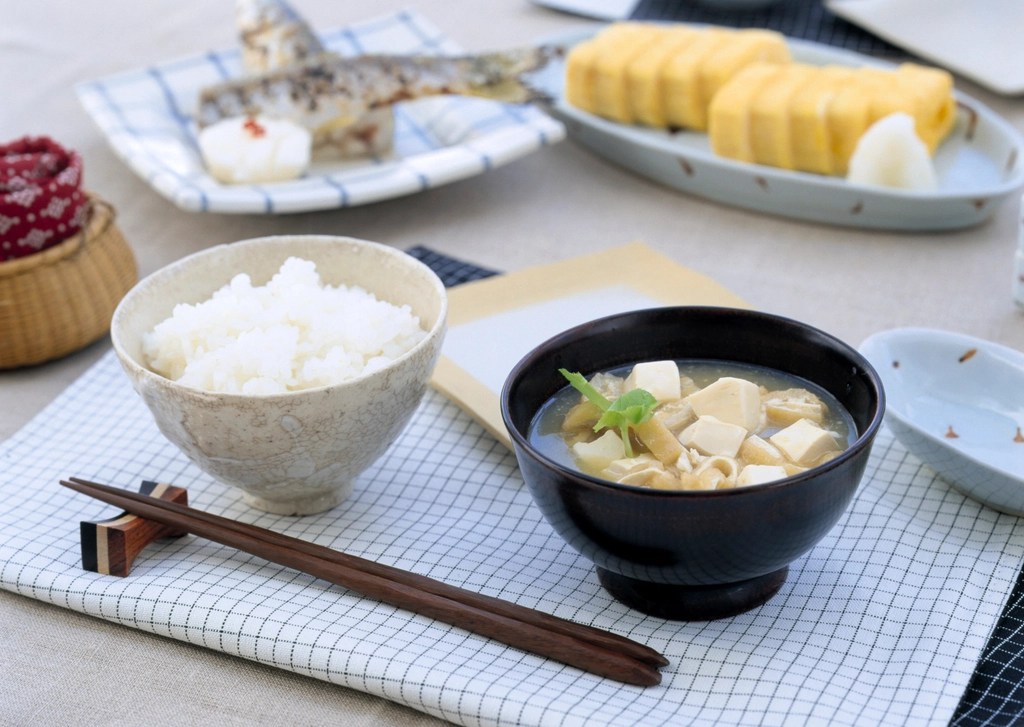
Kimiko Tanaka lay in her bed in a private room in a hospital in central Tokyo. She had been in a coma for the past three months following a serious haemorrhage to the left side of her brain that struck as she was preparing a simple dinner of grilled mackerel, miso soup, pickled daikon radish and rice for herself and her husband.
Shoichi sat at the bedside holding his wife’s hand as it lay on top of the smooth white sheet, staring at the face that had remained unchanged since that day, unchanged since he heard the crash of plates from the kitchen and came running to find Kimiko lying on the wooden floor. Outside, the heat and humidity of summer was oppressive, even late into the evening. Inside, the air was cool and dry. The only sounds were the gentle hum of the air conditioner mounted on the wall and the slow rhythmic beep emitting from the machine keeping Kimiko alive.
‘When will you wake up, Kimiko?’ he asked in a weary voice that was nevertheless still laced with hope.
Each time he mouthed the question, he longed desperately to see her eyes open slowly, for a smile to form across her face and for the doctors and nurses to come running into the room to congratulate the patient on a remarkable against-the-odds recovery. But this was not a Hollywood film, it was real life and this time, like the hundreds of times before, his question went unanswered.
Shoichi checked the time – the projection on the wall showed 22:17 – and he knew that he should make a move to get home for some sleep.
‘Goodnight,’ he whispered and kissed her gently on the cheek, in the space between the ventilation tube supporting her breathing and the myriad of wires running around her face that were monitoring the activity of Kimiko’s brain.
He left the room and made his way along the corridor, with its shiny slate-grey linoleum floor and whitewashed walls, towards the overnight nurses’ station where he was bid farewell by a droid that watched over the entrance as well as monitoring the vital signs of all the patients under its care, ready to alert the medical teams who slept in pods, like bees in a hive, located away from the wards but still on the hospital site.
Ikebukuro station was a short walk away but in no time the light cotton summer shirt he was wearing had begun to stick to his body, especially his back. This year the rainy season had come late and even by mid-August the annual tsuyu was holding on. But the summer had finally arrived and all the moisture now hung in the ether as it evaporated from the sodden ground which made moving around in any non-climate-controlled environment an uncomfortable experience, rather like being stood, fully clothed, at the edge of a heated indoor swimming pool.
The transition from the relative darkness of night – his walk was punctuated by headlights from an occasional passing car and red paper lanterns hanging outside izakaya bars – into Ikebukuro station made his eyelids narrow as the bright overhead banks of LEDs and plethora of advertising images flooding into his pupils. Although he knew the way to the train, having done this journey many times before, he allowed himself to be led by the personalised under floor directional lighting, snaking from the entrance barrier to platform three to board the 22:38 Yamanote line train to Ueno where he would change to a Jōban line train to their home in central Mito.
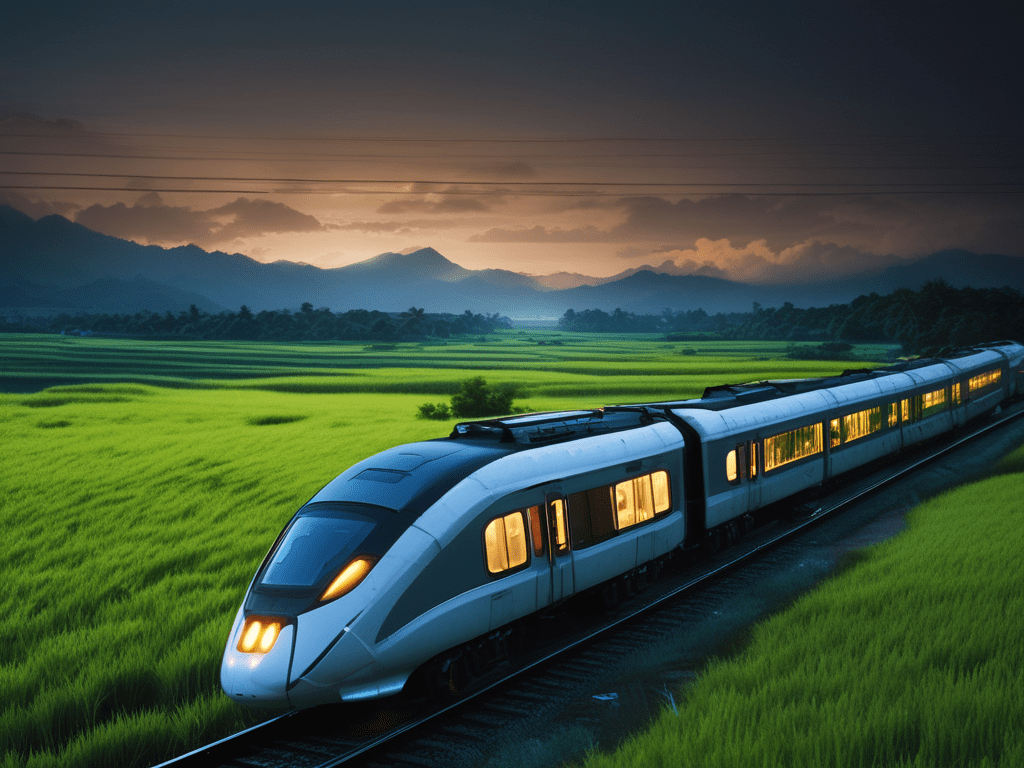
The sleek metal tube glided into the station at 22:37 and as it did he recalled reading something in a newspaper recently that it had been twenty years since the last late arrival across the whole of Japan, such was the reliability of the fully-automated computer controlled and operated JR network. A minute later the train left Ikebukuro and Shoichi sat in the middle of a bench seat that ran the full length of the carriage. He spent the journey to Ueno staring at the window opposite him which, due to the dark, was like an elongated mirror in which all he could see was his own reflection. He noted that he looked tired, an empty shell such was his life at present. Once the train pulled into Ueno station, Shoichi stepped off the carriage and walked across the platform to board the Jōban line train that was already there waiting to depart.
The carriage he was now on was relatively empty, perhaps not surprising considering the time, and he was joined by about a dozen other passengers, mostly snoozing, as they made their way out through the sprawling suburbs of the metropolis into the wide open spaces of rice fields to the north east. As he began to fall asleep he could vaguely hear a conversation being held in what he guessed was English between two Caucasian foreign men also making their own journey from the sensory overload of Tokyo back to a slower-paced life in the countryside.
The vibration on his wrist shook Shoichi out of his slumber just seconds before the animated Den-Den customer host bowed respectfully and announced their arrival in Mito. The travel companion timepiece was a present from his wife to celebrate his seventieth birthday and retirement, given to him with more than a hint of mischief as he had, during his working life, frequently fallen asleep on the train home either from exhaustion as an overworked middle-manager or due to one too many beers at the end of the day, causing him to miss his stop and end up in Hitachi, six stations further north than his intended destination. He hadn’t needed it much since retiring but was grateful he hadn’t been left to sleep through tonight especially as he was on the last train and a ride back in a driver-less Navi-cab would have been an unnecessary expense and delay to getting home.
The doors opened noiselessly, he stepped off the train onto the platform, ascended the stairs to the exit gates which he passed through with a touch of his hand on the scanner and out again into the night. The station clock’s analogue hands showed just after midnight. The air smelt damp, heavy, and slightly rotten as he made his way up a shallow slope, heading back to their home which stood at the edge of Lake Senba, close to Kairakuen Park. There were a handful of karaoke bars and hostess pubs still open and the silence of the night was broken by an opening door through which passed a group of drunk but cheerful work colleagues who piled out onto the street in search of a steaming hot bowl of ramen noodles, gyōza dumplings and more heavily chilled beer.
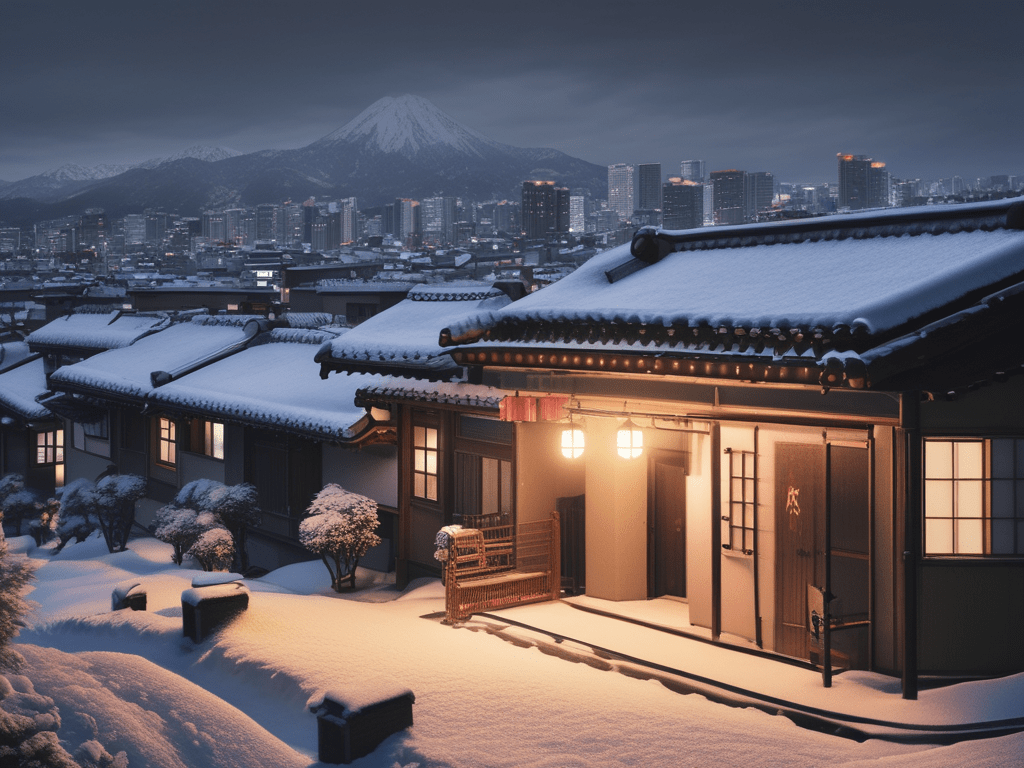
As Shoichi turned off the main road that ran from the station in the south of the city towards the northwest and then directly west towards the traditional Japanese ceramics town of Kasama, the light levels dropped and he had to stop momentarily to allow his eyes to re-adjust to the darkness. The densely populated residential districts were characterised by narrow streets cluttered with bicycles, pot plants on multi-tiered aluminium shelving and vending machines selling e-cigarettes, synthetic alcohol and sugar-free soft drinks. The sky was clear and even with some light pollution from the street lamps and neon advertising panels further back on the main road, there were plenty of stars visible. He picked out some of the constellations that he found easy to locate such as Cassiopeia, The Plough and Hercules as well as those that were trickier, including Boötes, Cygnus and Delphinus. Although Shoichi had often thought about, but never made the commitment to buying a telescope, he nevertheless found staring up towards the heavens a peaceful and calming experience that brought some perspective on any challenges he may be facing in his life. Kimiko in hospital in a serious but stable condition was by far his biggest personal challenge to date. The movement of a cat jumping off a grey mottle-textured brick wall broke his moment of contemplation of life and the workings of the universe and brought his head back down to earth as he made his way further into the neighbourhood of mainly high-end pre-fabricated kit houses of which his own home was one.
Opening the small gate next to the sign on the border wall to the house that let everyone know this was where the Tanakas lived, Shoichi walked up the short path to the front door, positioned his eye in front of the retina scanning equipment – installed as state-of-the-art domestic security when the house was built forty years ago – and pulled open the door once the cartoon bulldog security guard in the small screen mounted under the scanner confirmed his identity, saluted and welcomed him home.
Motion sensors picked up his presence, the lights turned on and the air conditioner beeped, the small flap at the front to direct the air flow opened and emitted the familiar creak of gases moving as the unit fired into life. Shoichi removed his shoes in the genkan entrance, stepped up into the house and padded across the perfectly smooth and level dark-brown stained wooden floorboards into the kitchen to wash his hands and gargle before fetching himself a beer from the refrigerator. As he removed the can from the shelf, a Z-code scanner registered the beer as the second from last one and sent an order through to the local supermarket to add to the list for the next grocery delivery in a few days’ time. Twisting the lid, a hole opened in the top of the can and he poured two-thirds of the beer into a cut-crystal glass given to him as part of a gift set commemorating one hundred and fifty years of the Kirin brewery that also contained twelve cans of Kirin Original Brew. He ran his fingers over the laser etching of a mythical Chinese chimerical creature called a Qilin, after which the company was named, before bringing the glass to his lips and taking a couple of deep drafts. The chilled liquid was almost painful as it ran down his throat but it was a welcome sensation, in contrast to the numbness of recent months, and he closed his eyes to savour this small sensory pleasure.
Moving through to the living room area of the house and flicking on the holovision with a wave of his hand, he caught the tail end of a late night news broadcast. There was a feature about a man who had been arrested for killing three of his neighbours over a five year period. The familiar shots of police investigators carrying out sealed boxes of evidence from the man’s apartment filled the image field and the story concluded with a summary of events leading up to the arrest from the station’s visibly sleep-deprived reporter. Shoichi felt detached from the emotion he knew he should be feeling towards yet another murder case, his body drained.
Beer finished, Shoichi was too tired to climb the stairs to the bedroom he shared with Kimiko let alone have a shower, so instead unfolded a futon in the Japanese-style tatami room on the ground floor, got undressed, crawled under a light blanket and fell asleep as soon his head hit the buckwheat-filled pillow.
***
Back at the hospital, a part of Kimiko’s brain was waking up. Deep inside the hippocampus were electrical pulses so weak that the doctors would not notice them for another day through the scans they were running routinely to check for any signs of healing but strong enough for Kimiko to start to recall memories from long ago.

 nattoben